How to Diagnose and Prevent Common Lawn and Garden Pests
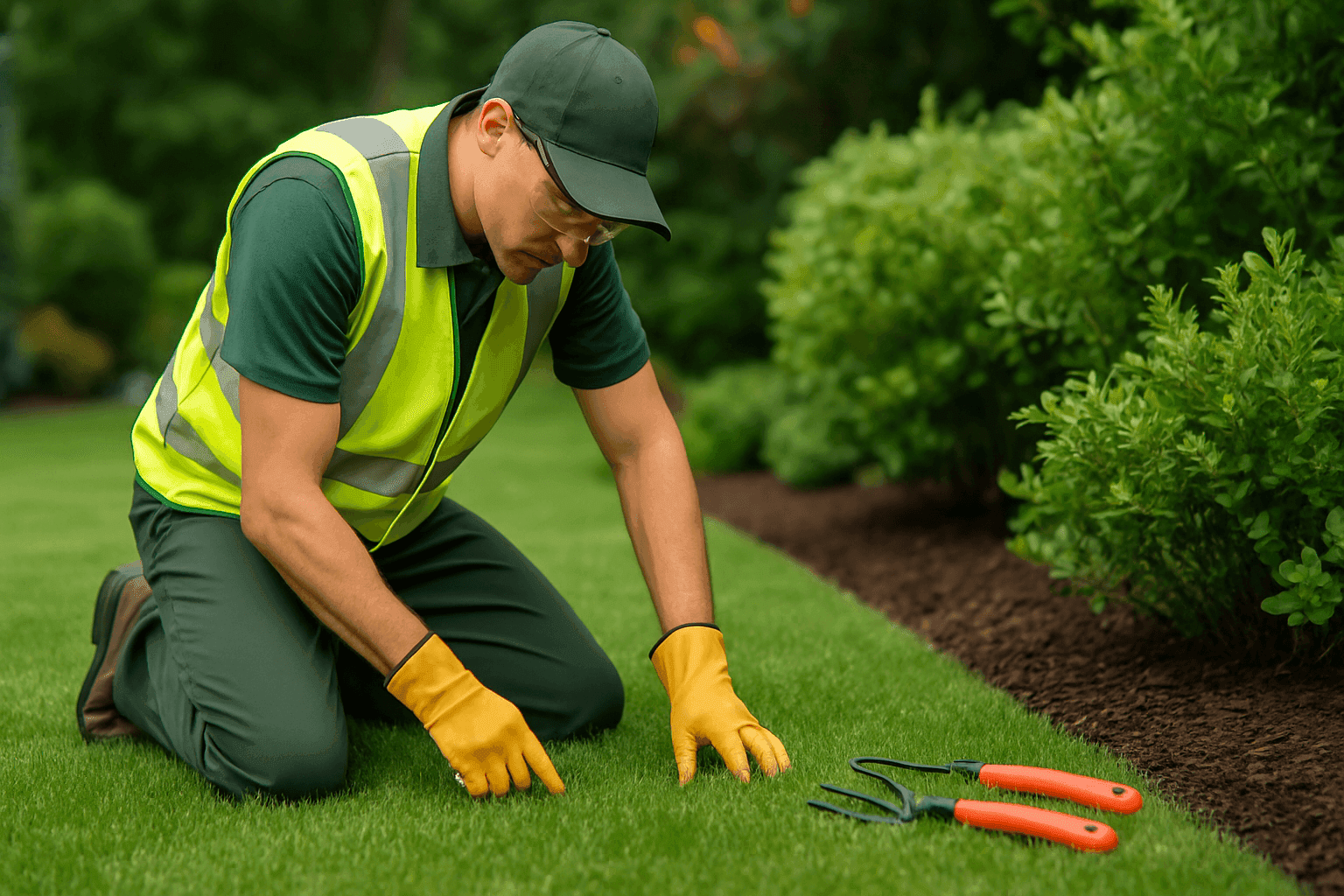
Is your grass losing its lush green color? Are leaves looking like they’ve been nibbled by tiny midnight snackers? If you’re like most homeowners or business managers, you know the frustration of watching a thriving landscape suddenly lose its spark. Pests—big and small—have a way of sneaking in fast, and if you blink, they can take over.
The good news? You don’t have to play detective alone. At Top-Up Landscape, we’ve helped both homes and commercial properties keep their outdoor spaces vibrant and healthy through every season. Let’s break down the warning signs, reveal which culprits are most common, and share the best ways to defend your green spaces—year-round.
What Are the Early Signs of a Pest Problem?
Before you see the culprits themselves, you’ll spot their calling cards. Catching these clues early is like noticing a leaky faucet before it floods the kitchen.
Common warning signs include:
- Yellow, brown, or thinning patches in your lawn.
- Leaves dotted with holes or ragged edges.
- Grass blades that look chewed or shredded.
- Small mounds of dirt, tunnels, or strange patterns on the surface.
- Sticky residue (honeydew) on leaves or walkways.
- A sudden increase in birds or other wildlife poking at your grass.
Think of these as red flags. They’re hints that something, somewhere, is feasting on your landscape.
Quick Safety Checklist 🛑
Before you roll up your sleeves or reach for any products, keep safety top of mind:
- Wear gloves and eye protection when inspecting or treating affected areas.
- Read all labels on pest control products—follow application instructions exactly.
- Keep children and pets away from treated zones until it's safe.
- Dispose of yard waste properly to avoid spreading pests or disease.
- Check local regulations (like Environmental Protection Agency guidelines) for approved practices.
Safety first—always.
Common Lawn and Garden Pests by Type
Pests don’t all look or act the same. Some crawl, some fly, some burrow. Here’s how to spot the most common troublemakers and what you can do about them.
Insect Pests
Symptoms
- Grass turns yellow or brown in random patches.
- Leaves have small, round holes or look skeletonized.
- Sticky substances or sooty mold on leaves.
- Increased presence of ants, beetles, or wasps.
Risk Factors
- Overwatering or poor drainage.
- Dense, untrimmed grass and hedges.
- Lack of routine fertilization or soil testing.
- Warm, humid weather—prime time for insect activity.
Treatment Options
- Manual removal: For small infestations, hand-pick visible pests or prune affected leaves.
- Biological controls: Introduce natural predators like ladybugs or nematodes (referenced by the University of California’s Integrated Pest Management Program).
- Insecticidal soaps and oils: Use eco-friendly options targeting specific pests—be sure to follow local guidelines.
- Integrated Pest Management (IPM): Combine observation, targeted treatments, and ongoing monitoring for the most effective, sustainable approach.
Rodent & Larger Animal Pests
Symptoms
- Holes or tunnels in lawn or garden beds.
- Plants gnawed at the base, sometimes vanishing overnight.
- Droppings or evidence of burrowing.
- Bark stripped from young trees or shrubs.
Risk Factors
- Unsecured trash, compost, or pet food outdoors.
- Overgrown areas or nearby woodpiles.
- Infrequent garden bed cleanup.
- Gaps or cracks in fencing.
Treatment Options
- Physical barriers: Use hardware cloth, fencing, or netting to block entry.
- Traps: Humane traps for mice, voles, and moles; always check local rules.
- Habitat modification: Remove food sources, trim grass and shrubs, and clear debris.
- Professional removal: For persistent infestations or protected species, consult licensed wildlife experts.
Fungal Diseases
Symptoms
- Circular or irregular brown patches in lawn.
- Gray or white powdery growth on leaves.
- Mushrooms or toadstools popping up, especially after rain.
- Leaf spots, blights, or wilting.
Risk Factors
- Watering late in the day or excessive moisture.
- Poor air circulation due to overcrowded plantings.
- Using infected soil or mulch.
- Lack of regular garden bed maintenance.
Treatment Options
- Improve drainage: Aerate soil and adjust watering routines.
- Prune infected areas: Remove and dispose of affected plant matter promptly.
- Fungicidal treatments: Apply only as needed—look for products approved by the Canadian Food Inspection Agency or USDA.
- Soil testing: Identify nutrient imbalances to support plant health.
DIY or Call a Pro? 🤔
Not every pest problem needs a professional right away. Here’s a quick way to decide:
DIY if:
- The area affected is small.
- You can easily identify the pest.
- You’re comfortable with safe application of treatments.
Call a professional if:
- The problem is spreading quickly.
- You’re unsure what’s causing the damage.
- There are signs of structural risk (like moles under patios or rodents in retaining walls).
- You’re managing a large property, commercial grounds, or specialty features (water features, outdoor kitchens).
Top-Up Landscape is always ready to help when you need a skilled eye (and a steady hand).
What Professionals Do On Arrival
Wondering what happens when the pros show up? Here’s the process you can expect:
- Thorough inspection: Walking the property, checking turf, beds, and structures for subtle signs.
- Accurate identification: Pinpointing the exact pest or disease—sometimes sending samples for lab analysis.
- Site-specific action plan: Recommending targeted solutions, from organic treatments to advanced landscaping modifications.
- Safety-first approach: Always using products and techniques that protect people, pets, and the environment.
- Follow-up: Scheduling check-ins to ensure pests stay gone and your landscape stays healthy.
Professional teams operate under local and national guidelines to ensure safe, effective pest control.
Prevention & Maintenance
The best offense is a good defense. Simple steps can keep most pests at bay:
- Routine inspections: Walk your property weekly, looking for subtle changes.
- Proper fertilization: Healthy, well-fed plants are more resistant to pests—seek “Fertilization near you” for custom plans.
- Soil care: Regular soil testing and amending support strong roots.
- Right plant, right place: Choose varieties suited to your soil and climate (see guidance from your local extension office).
- Prune and clean: Trim hedges, remove fallen leaves, and keep beds tidy.
- Mulch mindfully: Apply mulch to suppress weeds but don’t pile it against stems or trunks.
- Smart irrigation: Water early, not late, and avoid soggy roots.
- Integrated Pest Management: Blend natural controls with careful monitoring for long-term success.
Costs & Time Factors
Pest management isn’t one-size-fits-all—costs and timelines vary:
- DIY treatments: Most affordable for small areas, but results may take days or weeks.
- Professional services: Range from quick spot-treatments to multi-visit programs, depending on severity.
- Severe infestations: May require several weeks and combined approaches (traps, treatments, landscape adjustments).
- Maintenance: Regular inspections and upkeep are the most cost-effective long-term strategy.
Consider the size of your property, type of pest, and urgency. Investing in prevention saves time and money down the line.
When It’s an Emergency 🚨
Some pest problems just can’t wait:
- Rapidly spreading, unexplained turf or plant death.
- Evidence of structural damage (tunnels under patios, burrows near foundations).
- Stinging insects or wildlife posing a threat to people or pets.
- Fungal outbreaks after storms or flooding.
If you see these red flags, don’t wait—call a professional right away.
Lawn & Garden Pest FAQ
How do I know if brown spots are from pests or poor watering?
Brown spots from pests often have irregular edges and may be accompanied by visible insects or grubs. Drought stress usually causes uniform discoloration. If uncertain, lift a patch of sod—pests like grubs often hide just below.
Are eco-friendly pest controls really effective?
Yes—when used properly. Options like beneficial insects, neem oil, or diatomaceous earth have proven results, especially when combined with good cultural practices (as recommended by the EPA and university extension programs).
Can pests spread from one yard to another?
Absolutely. Many pests travel through soil, water, or on the wind. Shared equipment and plant materials can also move them around. That’s why routine inspections and clean tools are essential.
What time of year are pests most active?
Spring and summer bring peak insect activity, while rodents and fungal diseases may surge in fall and after heavy rains. Winter brings its own challenges—like burrowing animals seeking warmth.
Local and Seasonal Considerations
Every landscape is unique. Your pest risks shift with the seasons, local climate, and even what’s planted nearby.
- Spring: Watch for emerging insects as temperatures rise; start fertilization and soil testing early.
- Summer: Increase inspections—look for rapid growth (good and bad) and keep irrigation tuned.
- Fall: Clean up leaves and debris, inspect for rodents seeking winter shelter.
- Winter: Monitor for snow mold and burrowing animals; maintain safe access with snow removal services.
Both residential and commercial properties benefit from tailored plans that adjust with the seasons. Consult local agricultural extension offices for updates on regional pest threats and safe management tips.
Your lawn and garden deserve to thrive—free from hidden threats and uninvited guests. If you spot a problem, or just want peace of mind, our team is ready to help with practical, science-based solutions.
Call Top-Up Landscape now — or reach us anytime at 888-867-1304 .