Complete Guide to Seasonal Landscape Maintenance for Homes & Businesses
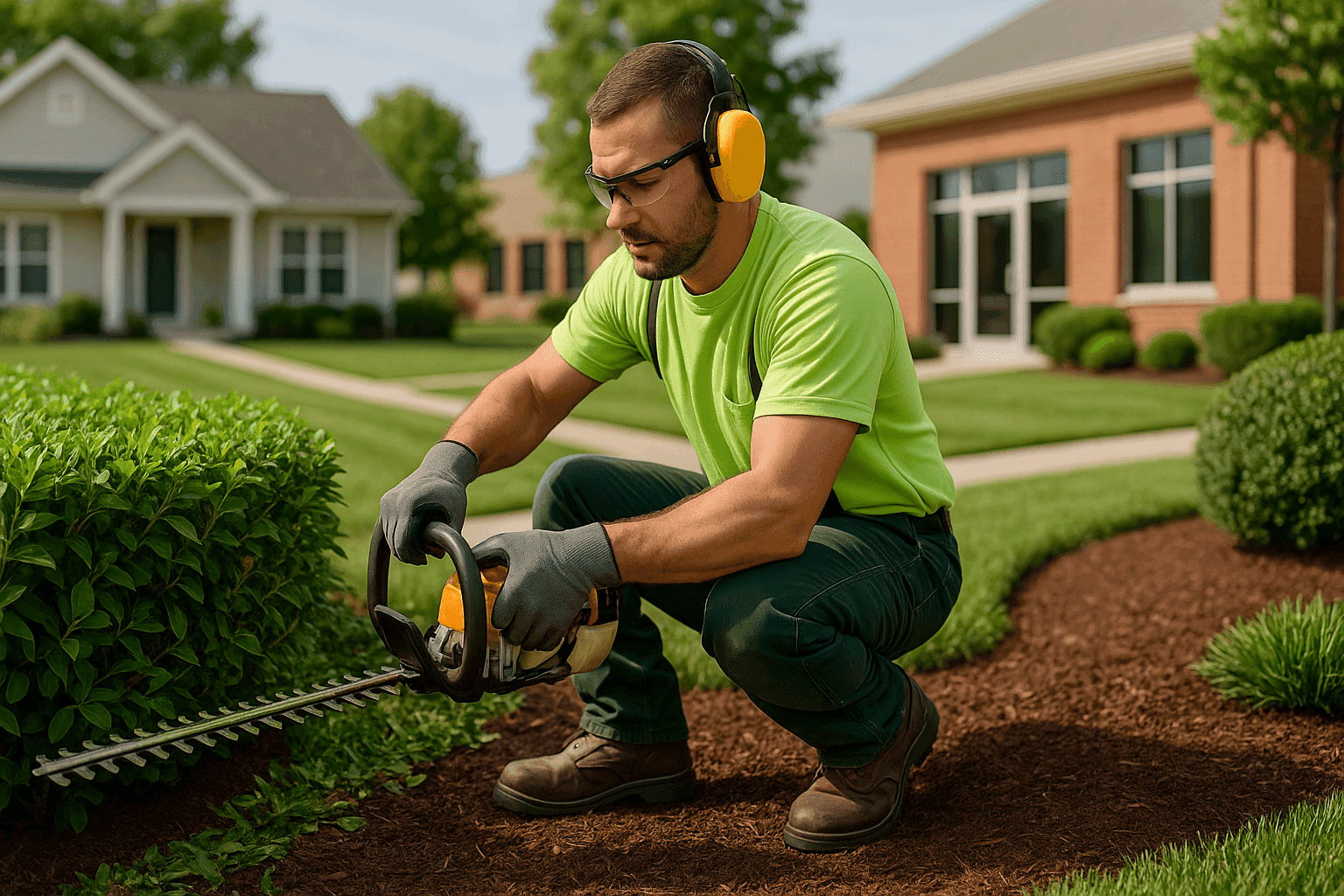
Is your property ready for every season? Landscape maintenance isn’t just about keeping up appearances—it’s about protecting your investment and avoiding costly repairs. At Top-Up Landscape, we know firsthand how proper care can transform both home yards and business grounds.
Every season brings its own challenges and opportunities. If you want lush lawns in summer, weed-free beds in spring, or safe walkways in winter, timing matters. With the right plan and a few smart moves, you’ll keep your landscape healthy, vibrant, and safe all year long.
Why Seasonal Landscape Maintenance Matters
Think of your landscape as a living, breathing canvas. Each season splashes on its own set of colors, but also brings weeds, pests, and debris. Neglect it, and things can unravel fast—overgrown hedges, patchy lawns, slippery sidewalks.
For homeowners, curb appeal boosts pride and value. For business owners, it’s about first impressions and liability. A tidy, well-kept property signals care and attention, while fallen branches or snow build-up can spell trouble.
Professional maintenance goes beyond mowing and leaf blowing. It’s about nurturing soil, managing water, and tackling problems before they take root.
Quick Safety Checklist for Every Season 🛡️
- Wear gloves, protective eyewear, and sturdy shoes
- Inspect tools for sharpness and damage
- Stay hydrated—especially in warm months
- Mark utility lines before digging (call 8-1-1 or your local locator)
- Use ladders and power equipment according to manufacturer instructions
- Store chemicals (fertilizer, pesticides) away from children and pets
- Clear walkways promptly after storms or snow
Spring: Wake Up Your Landscape
Spring is a time for renewal. Dormant grass wakes up, perennials push through, and weeds try to take over. Here’s how to start strong:
Lawn Fertilization & Soil Testing
- Test soil pH for optimal growth (local extension offices can help)
- Apply a slow-release fertilizer tailored to your grass type
- Overseed thin patches before weeds gain ground
Pruning & Tree Trimming
- Trim dead or damaged branches (refer to ANSI A300 standards)
- Prune shrubs to encourage healthy growth—don’t overdo it
Mulching & Weed Control
- Refresh mulch to suppress weeds and hold moisture
- Hand-pull or spot-treat weeds early
Irrigation System Check
- Inspect sprinkler heads for clogs and leaks
- Adjust timers for increased spring rainfall
Residential vs. Commercial
- Homeowners: Focus on curb appeal—edges, walkways, and flower beds
- Businesses: Prioritize parking lots, entryways, and high-traffic areas
Spring Checklist:
- Soil testing and fertilization near you
- Mulch application (2–3 inches deep)
- Tree trimming and hedge pruning
- Garden bed cleanup and planting
- Sprinkler and irrigation check
Summer: Growth and Vigilance
Heat and humidity can spell stress for your landscape. Lawns, plants, and trees all need extra care to beat the summer sun.
Watering & Irrigation
- Water deeply, early in the morning
- Use drip irrigation for garden beds to prevent fungal diseases
Pest & Weed Management
- Watch for signs of insects or disease (look under leaves and stems)
- Apply targeted pest controls, following EPA guidelines
- Stay on top of weeds—they grow fastest now
Mowing & Lawn Care
- Mow high to shade roots and retain moisture
- Sharpen mower blades for clean cuts
Outdoor Features & Maintenance
- Check patios, walkways, and retaining walls for cracks
- Clean and maintain fire pits, fountains, and water features
Residential vs. Commercial
- Homeowners: Maintain play areas and seating spots for summer use
- Businesses: Ensure outdoor lighting is functional for evening safety
Summer Checklist:
- Weekly mowing and edging
- Deep, infrequent watering
- Weed and pest inspections
- Hardscape checks (patios, walkways)
- Outdoor lighting and feature maintenance
Fall: Prepare and Protect
Autumn’s cool air signals it’s time to get ready for dormancy. Leaves fall, plants slow down, and prep work now can save headaches later.
Leaf Removal & Garden Bed Cleanup
- Rake and remove leaves promptly—wet leaves invite mold
- Cut back perennials and remove annuals
Fertilization & Overseeding
- Apply fall fertilizer to strengthen roots
- Overseed lawns to fill bare spots before winter
Mulching & Soil Amendment
- Top up mulch to protect roots from frost
- Add compost to garden beds for spring nutrients
Pruning & Hedge Trimming
- Prune lightly—avoid heavy cutting that could stress plants before winter
Irrigation System Winterization
- Drain and blow out irrigation lines to prevent freezing
Residential vs. Commercial
- Homeowners: Focus on garden beds and lawn prep
- Businesses: Schedule fall cleanups to avoid clogged drains and slippery walkways
Fall Checklist:
- Leaf and debris removal
- Last round of fertilization near you
- Irrigation system winterization
- Garden bed and hardscape cleanup
Winter: Safety and Protection ❄️
Cold, wind, and snow bring their own demands. The goal: prevent damage and keep your property safe.
Snow Removal & Ice Control
- Shovel walkways and steps promptly—local codes may require this
- Apply salt or eco-friendly deicers to prevent slips
Tree and Shrub Protection
- Brush heavy snow off branches to prevent breakage
- Wrap vulnerable plants with burlap or covers
Emergency Storm Cleanup
- Remove fallen branches and debris after storms
- Inspect for ice damage (especially on commercial lots)
Equipment & Feature Care
- Store lawn equipment properly
- Drain and cover fountains, ponds, and outdoor kitchens
Residential vs. Commercial
- Homeowners: Focus on driveways, paths, and entrances
- Businesses: Maintain parking lots, accessibility ramps, and emergency exits
Winter Checklist:
- Snow and ice removal
- Plant protection (wrapping, mulching)
- Emergency cleanup after storms
- Equipment storage and maintenance
DIY vs. Call a Pro
Some tasks are weekend-friendly—raking, mulching, light pruning. But others call for expertise and equipment: irrigation repair, large tree trimming, pest management, or custom hardscaping.
Professional landscapers have the tools, training, and safety know-how to tackle big jobs efficiently. They follow local codes and industry best practices (like ANSI and OSHA guidelines). For businesses, hiring out means peace of mind and compliance with insurance requirements.
If you’re unsure, start with a soil test or a spring/fall cleanup package. For anything involving heights, chemicals, or heavy machinery, it’s wise to bring in pros.
What Pros Do On Arrival
When Top-Up Landscape arrives, here’s what you can expect:
- Walkthrough and detailed assessment of your property
- Soil and plant health evaluation
- Customized plan for fertilization, pruning, mulching, and irrigation
- Safety checks for equipment and outdoor features
- Prioritization of urgent needs (storm damage, pest outbreaks)
- Recommendations for ongoing maintenance or upgrades (like outdoor lighting, retaining walls, or patio installation)
Prevention & Maintenance: The Long Game
Regular landscape care is like brushing your teeth: a little effort now prevents big problems later. Timely fertilization, mulching, and pruning keep plants vigorous and resilient. Proactive weed and pest control head off infestations.
For commercial properties, regular inspections catch issues before they turn into liability risks. Well-lit walkways and clean entrances not only look good—they’re safer for employees and visitors.
Refer to local extension offices or the National Association of Landscape Professionals for more on best practices.
Costs & Time Factors
Landscape maintenance costs and time vary by property size, climate, and features. Homeowners might spend a few hours a week on basic upkeep, while commercial sites may require full crews for larger jobs.
Seasonal cleanups and emergency services often cost more due to labor and equipment needs. Think of it as an investment: regular care extends the life of your trees, lawns, and hardscapes, saving thousands in repairs or replacements down the line.
When It’s an Emergency
Storms, flooding, or snow can turn landscape maintenance into an urgent priority. Downed trees, blocked walkways, or ice buildup need immediate attention.
For safety, always clear major hazards first. If power lines are involved or trees threaten structures, call professionals—never try to tackle these alone.
Businesses should have an emergency plan for snow removal and storm cleanup to keep operations safe and compliant.
FAQ
How often should I fertilize my lawn?
Most lawns benefit from fertilization two to four times a year—early spring, late spring, summer, and fall. Timing depends on your grass type and local climate.
What’s the best mulch for garden beds?
Shredded hardwood and pine bark work well for most beds, holding moisture and suppressing weeds. Avoid piling mulch against stems or trunks.
How do I know if a tree needs pruning?
Look for dead, damaged, or crossing branches. Proper pruning improves shape, health, and safety—but over-pruning can harm trees.
Are irrigation system checks really necessary?
Yes. Small leaks or clogs waste water and damage lawns. Annual checks keep your system efficient and save on water bills.
Local and Seasonal Considerations 🌱
Not all landscapes—or climates—are the same. In wet regions, drainage matters most. In drought-prone areas, drought-tolerant plants and efficient irrigation are key. For snowy winters, snow removal and salt protection take center stage.
Homeowners: Pay attention to your microclimate—shade, wind, and soil type all affect plant health. Businesses: Keep up with local codes on snow removal, plant height, and debris management.
For tailored advice, consult your local Cooperative Extension, the USDA Plant Hardiness Zone Map, or municipal safety guidelines.
Year-round landscape maintenance isn’t just about beauty—it’s about safety, savings, and peace of mind. Whether you’re caring for a family yard or a bustling business front, Top-Up Landscape is ready to help.
Call Top-Up Landscape now — or reach us anytime at 888-867-1304 .