Emergency Snow Removal: What Homeowners & Businesses Need to Know
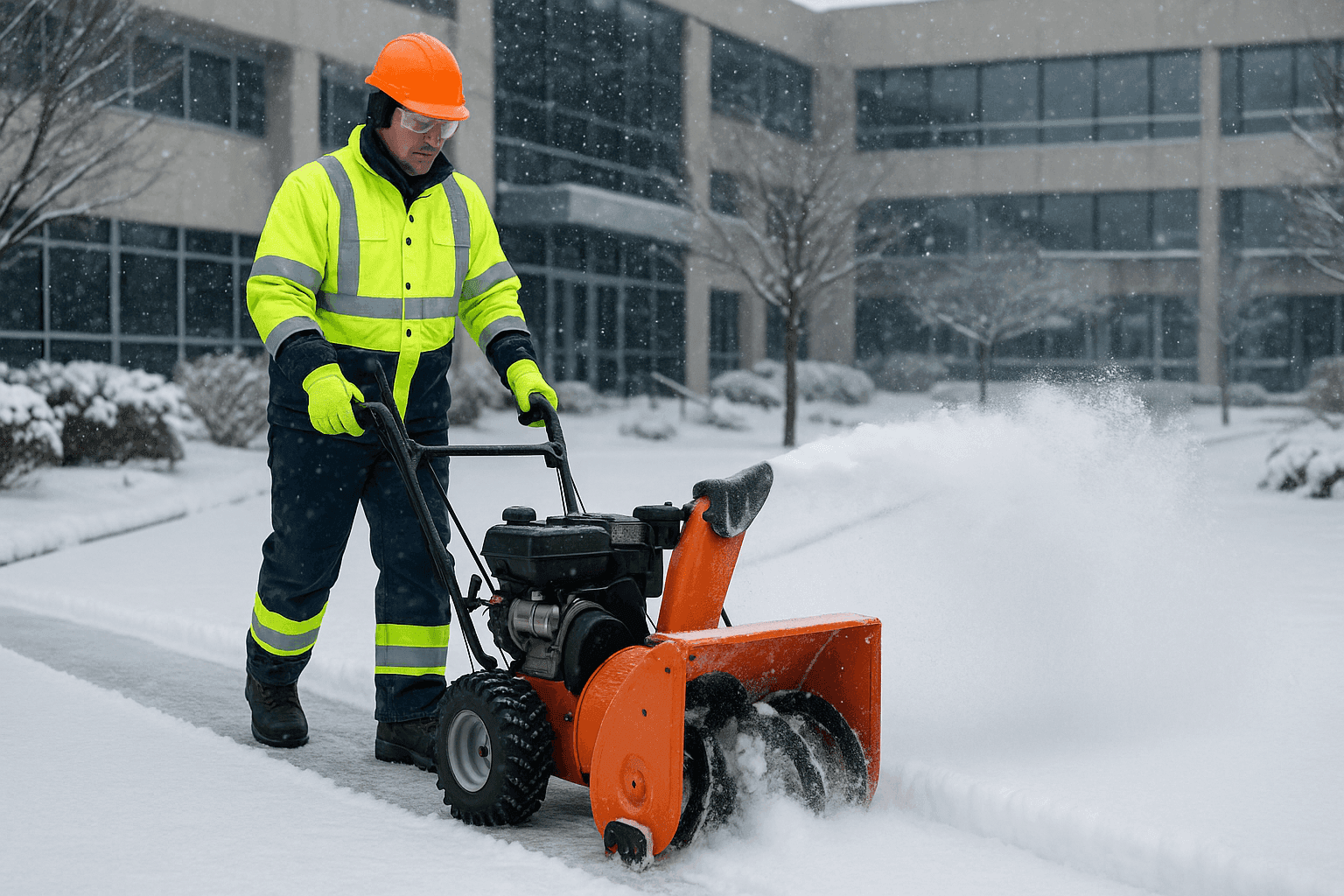
Winter storms don’t send RSVP cards. They show up suddenly, blanketing homes and businesses in deep, heavy snow. Whether you manage a busy storefront or just want to keep your family safe, knowing how to handle emergency snow removal isn’t just helpful—it’s crucial.
At Top-Up Landscape, we’ve faced blizzards, ice storms, and everything in between. Here’s how property owners can turn winter chaos into a controlled, safer situation.
The Problem: When Snowfall Becomes a Real Risk
Snow piles up quickly, blocking entrances, weighing down shrubs, and turning sidewalks into slippery traps. For homeowners, that means delayed commutes, missed school days, and the risk of injuries. For businesses, the stakes get higher—closed doors, lost revenue, and potential liability if someone slips and falls.
Emergency snow removal is about more than keeping things tidy. It’s about preventing accidents, property damage, and costly downtime. The risk isn’t just what you see—ice hides beneath the surface, ready to trip up the unwary.
Quick Safety Checklist Before You Start ❄️
- Check weather alerts from Environment Canada or your local authority.
- Dress in warm, layered clothing and non-slip boots.
- Make sure your snow removal tools (shovels, snow blowers, ice melt) are close at hand.
- Keep walkways, driveways, and fire escapes clear of clutter.
- Ensure your mobile phone is charged in case of emergencies.
- Let someone know if you’re clearing snow alone, especially in hazardous conditions.
- Use reflective vests or headlamps when working in low light.
Safety first: According to the Canadian Centre for Occupational Health and Safety (CCOHS), most snow shoveling injuries come from poor technique or lack of breaks. Don’t rush.
Pre-Storm Preparation: Being Ready Makes All the Difference
Think of a winter storm like a surprise guest. If your pantry’s empty and the door’s jammed, you’re in trouble.
Before the snow flies:
- Stock up on ice melt, sand, and salt. Store them in dry, easily accessible spots.
- Walk your property. Mark driveways, walkways, and garden edges with high-visibility stakes.
- Schedule a pre-season tune-up for snow blowers and other equipment.
- Review your snow removal contract if you have one—know what’s covered.
- Make a list of access routes that must stay open for emergency vehicles, delivery trucks, and customers.
- Clear gutters and drains to prevent ice dams.
For businesses: Assign snow removal duties to specific staff, or line up a professional landscaping service like Top-Up Landscape. Set expectations so no one’s left guessing.
Immediate Response: Clearing Walkways, Entrances, and Drives
When snow hits, time is of the essence. The longer it sits, the heavier and icier it gets.
Step-by-step plan:
- Start with Priority Areas: Focus first on main walkways, driveways, and all entrances/exits.
- Work With the Storm: If snow is falling heavily, make several quick passes rather than trying to clear all at once.
- Shovel Early, Shovel Often: Fresh snow is lighter and easier to move than compacted snow.
- Use the Right Tools: Push snow rather than lift it. When using a snow blower, follow the manufacturer’s safety tips and never use hands to clear jams.
- Apply Ice Melt: After clearing, spread salt or alternative de-icers to prevent black ice. Pay special attention to wheelchair ramps and steps.
- Watch for Hidden Hazards: Keep an eye out for fallen branches, hidden garden beds, or raised stones.
Safety Reminders for DIY Snow Removal
- Take frequent breaks—snow removal is strenuous work.
- Stay hydrated.
- Use proper lifting techniques: bend your knees, not your back.
- Never throw snow onto roads or block fire hydrants. This can violate municipal codes.
- If you have heart concerns, consult your doctor before tackling heavy snow.
Proper Equipment Usage
- Inspect shovels for cracks and wear.
- Use ergonomically designed handles to reduce strain.
- Keep snow blower exhaust clear, and shut off the machine before refueling.
- Store ice melt away from children and pets.
When to Call Professionals
Heavy snowfall, ice storms, or blocked access to critical areas? It’s time to call in a crew. Professionals have commercial-grade equipment and experience to handle large volumes of snow quickly and safely. In many cities, businesses are legally required to keep sidewalks clear within hours of snowfall (check your local bylaws).
DIY vs. Call a Pro: Knowing Your Limits
There’s pride in grabbing a shovel and tackling the job yourself. But sometimes, the snow wins.
DIY is reasonable when:
- Snow depth is manageable (less than 15 cm/6 inches).
- You have the right equipment and physical ability.
- The area is small and free of obstacles.
Call a pro if:
- Snowfall is heavy, wet, or mixed with ice.
- There are complex features (retaining walls, water features, garden beds).
- Accessibility for seniors, children, or customers is at risk.
- You lack time or staff for urgent clearing.
Remember: injuries, property damage, and fines cost more than a timely call to a qualified landscaping company.
What Pros Do On Arrival
Professional snow removal isn’t just about bigger shovels. It’s about smart planning and risk reduction.
Here’s what to expect:
- Site assessment—identifying hazards and prioritizing access.
- Use of industry-standard equipment: plows, blowers, de-icing agents.
- Careful clearing around landscaping features: hedges, garden beds, fountains, and walkways.
- Application of ice melt and sand for traction.
- Documentation for insurance or code compliance, when needed.
- Final inspection to ensure all high-traffic and emergency routes are accessible.
Many commercial properties also require post-service reporting—another reason experienced teams matter.
Prevention & Maintenance Tips for Next Time 🧤
Preventing problems is easier (and cheaper) than fixing them after the fact.
- Schedule regular snow removal and de-icing, not just after the biggest storms.
- Keep gutters and drains clear to reduce ice buildup.
- Prune overhanging branches before winter—they can snap under snow weight.
- Install outdoor lighting along walkways for visibility during dark winter mornings.
- Use non-slip mats at all entrances.
- Mark garden beds and hardscaping edges to protect landscaping from plows.
Costs & Time Factors: What to Expect
Every property is different. Snow removal cost and timing depend on:
- Size and shape of the area to be cleared.
- Amount and type of snowfall (wet vs. dry).
- Accessibility and number of high-traffic zones.
- Special features such as patios, water features, or outdoor kitchens.
Residential jobs may take 30–90 minutes for moderate storms. Commercial sites or larger properties may require teams working several hours, especially if snow returns overnight.
Always factor in the value of safety, liability reduction, and business continuity when weighing DIY versus professional help.
When It’s an Emergency
Not every snowstorm is an emergency. But if you see any of these, act fast:
- Blocked fire exits or emergency routes.
- Medical or mobility issues that make access critical.
- Roofs buckling under snow load.
- Power outages or downed trees.
- Icy conditions on high-traffic walkways.
Don’t wait—address these hazards immediately. In many areas, local codes require prompt action to protect public safety.
FAQ: Common Emergency Snow Removal Questions
How soon should snow be cleared?
Most municipalities require sidewalks and entrances to be cleared within 24 hours (sometimes less). Check your local guidelines.
Is salt safe for my landscaping and pets?
Standard rock salt can damage plants and irritate pet paws. Use pet-safe, landscaping-friendly products when possible.
What about accessibility for seniors or people with disabilities?
Prioritize ramps, handrails, and accessible parking spots. Use extra de-icer and keep these routes clear at all times.
Can I push snow into the street?
No. Municipal codes often prohibit pushing snow into public roads or blocking drains—fines may apply.
Local & Seasonal Considerations ☃️
Winter in our region is unpredictable—snow can fall fast and melt just as quickly. Properties in shaded areas, near water, or on hills need extra attention. Commercial properties with frequent deliveries or vulnerable guests (like schools or clinics) should consider priority contracts with landscaping professionals.
Stay alert to changing weather and city advisories. Each storm is different, and being prepared is your best defense.
When winter weather strikes, don’t get left in the cold—or on the hook for preventable accidents. For reliable, safety-focused snow removal and landscaping services, Call Top-Up Landscape now — or reach us anytime at 888-867-1304 .